How much water it takes to create 30 common items

The world is in a water crisis. From carcinogenic contamination to droughts in Arizona, California, and South Africa, the human population seems to be spiraling toward a world with less water. Even though water is a renewable resource, there is still a finite amount in our lakes, rivers, and oceans.

A person uses between 80 and 100 gallons of water a day by flushing toilets, taking showers, running faucets, washing clothes, starting the dishwasher, and watering outdoor lawns. However, that number doesn't take into account the amount of water used to make common items people use daily.

Everyday items like computers, smartphones, T-shirts, jeans, shoes, coffee, eggs, and dog food carry a water footprint. The water footprint of a product is the amount of water that is consumed and polluted in all processing stages of its production. Call it greywater, virtual water, or something else—the things people use every day are produced with hundreds of gallons of "hidden" water. Consider these examples. A pound of almonds takes nearly 2,000 gallons of water to grow. It takes more than 3,400 gallons of water to produce a smartphone, 6,000 gallons of water to run a 60-watt lightbulb for half a day, and 200 gallons of water to make one bowl of dog food.

To find out how much pressure everyday products are putting on the world's finite fresh water supply, Stacker's researchers analyzed the water footprint of 30 common household items. Keep reading to see how much water is needed to make each of these items, and discover more eco-friendly alternatives.

You might also like: How each state uses its land
1 / 30

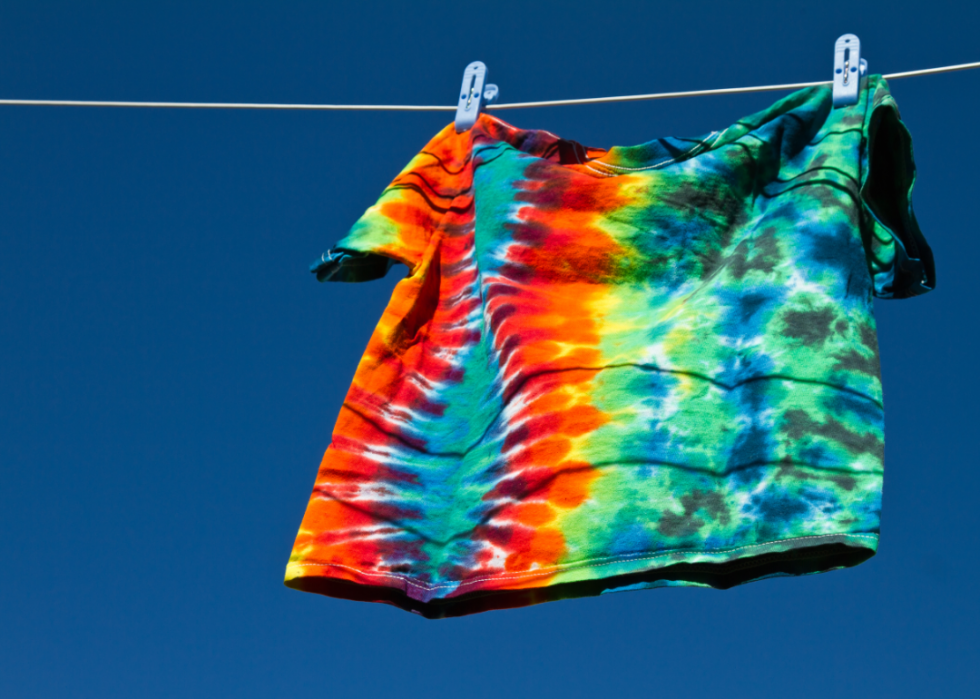
Cotton T-shirt

The simple everyday cotton T-shirt has a much larger water impact than one might expect. It takes 713 gallons of water to grow the cotton needed to produce one cotton T-shirt. A polyester T-shirt is a lower-water option, but it uses more oil to produce.

2 / 30

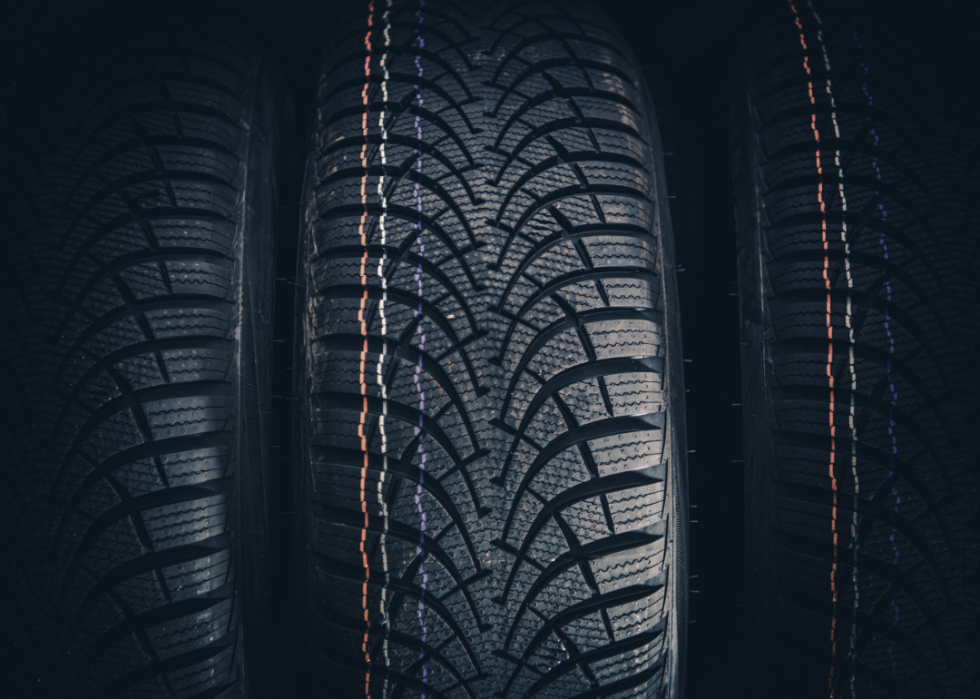
Set of car tires

It takes around 2,074 gallons of water to produce a set of car tires. The vast majority of tires are made from synthetic rubber, which needs water to be produced. During tire production, water is also used to create hot steam that molds the tire itself. To save water, people can use bikes with smaller tires as their primary transportation.

3 / 30

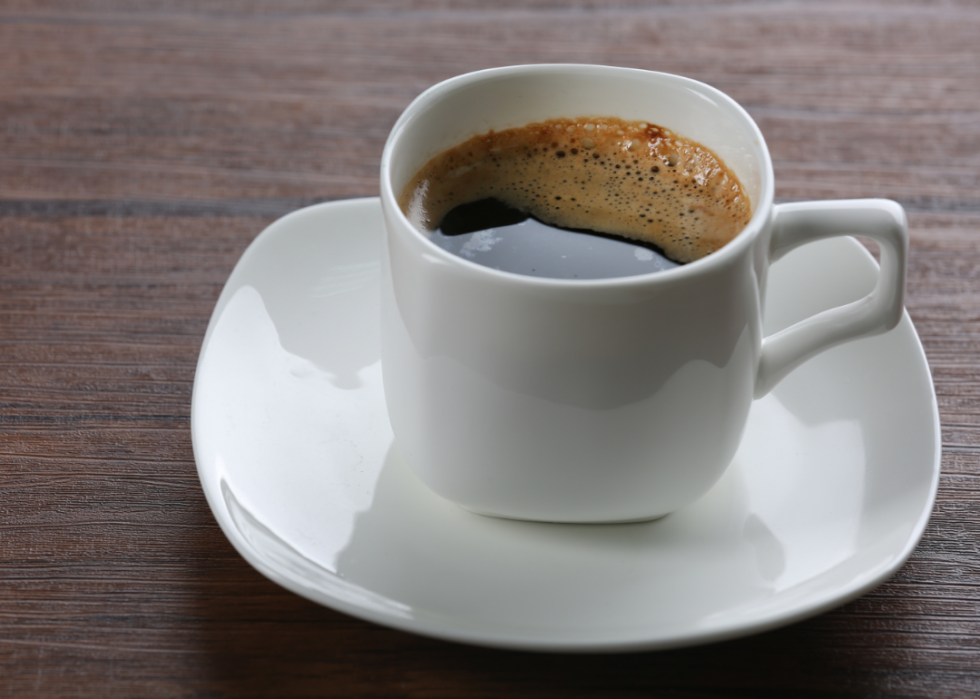
A cup of coffee

It takes significantly more than a cup of water to make a cup of coffee. It takes about 37 gallons of water to grow and process the number of beans needed for a single cup. Unfortunately, the only way to be more eco-friendly about coffee is to drink less coffee.

4 / 30

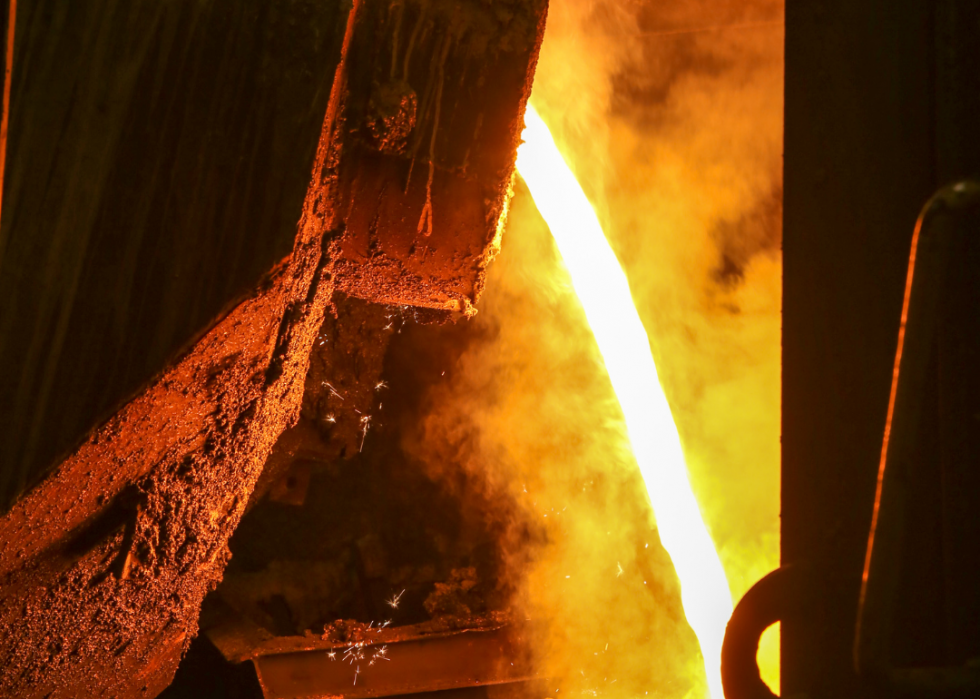
A ton of steel

5 / 30

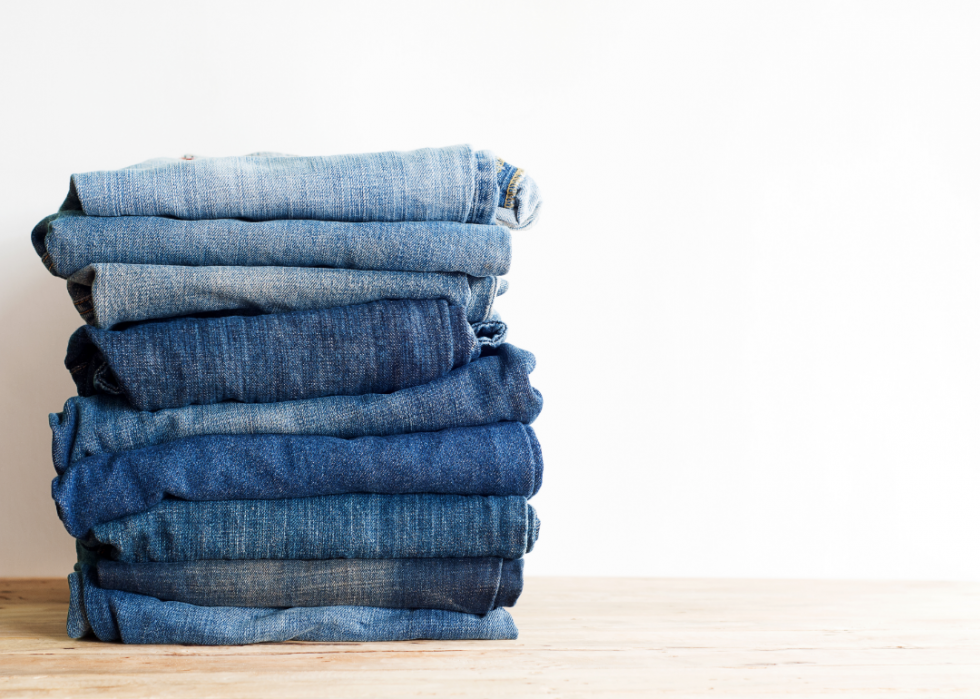
Blue jeans

6 / 30

Smartphone

7 / 30

A pint of beer

8 / 30

Car

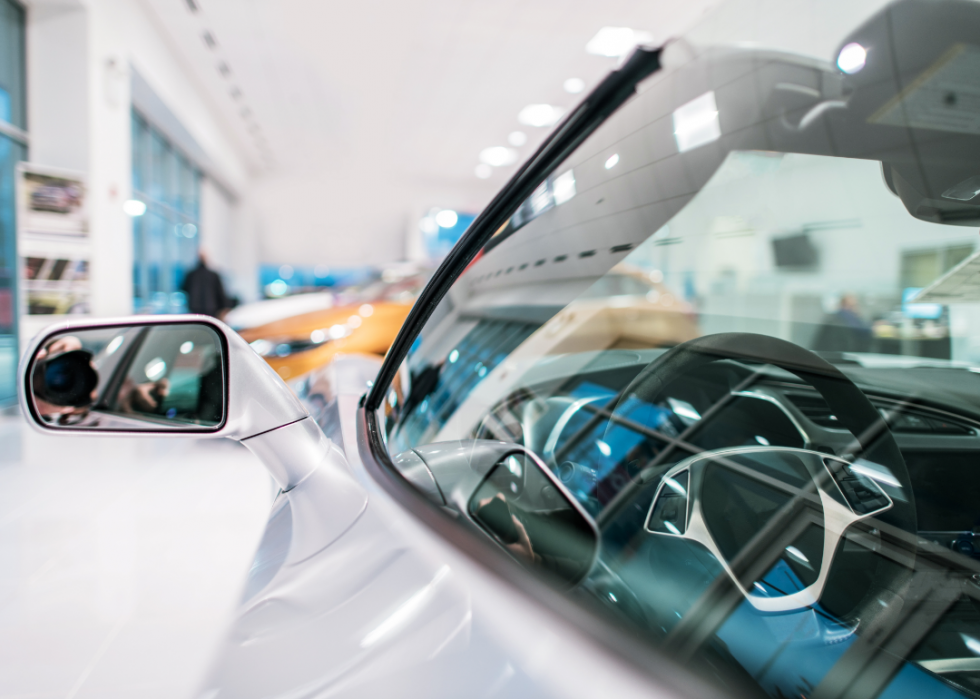
On top of all the water needed to create tires for cars, manufacturing a car itself can use more than 39,000 gallons of water. Water is needed during most of the manufacturing process, including surface treatment coating, washing, rinsing, hosing, and cooling.

10 / 30

Pound of beef

11 / 30

A gallon of wine

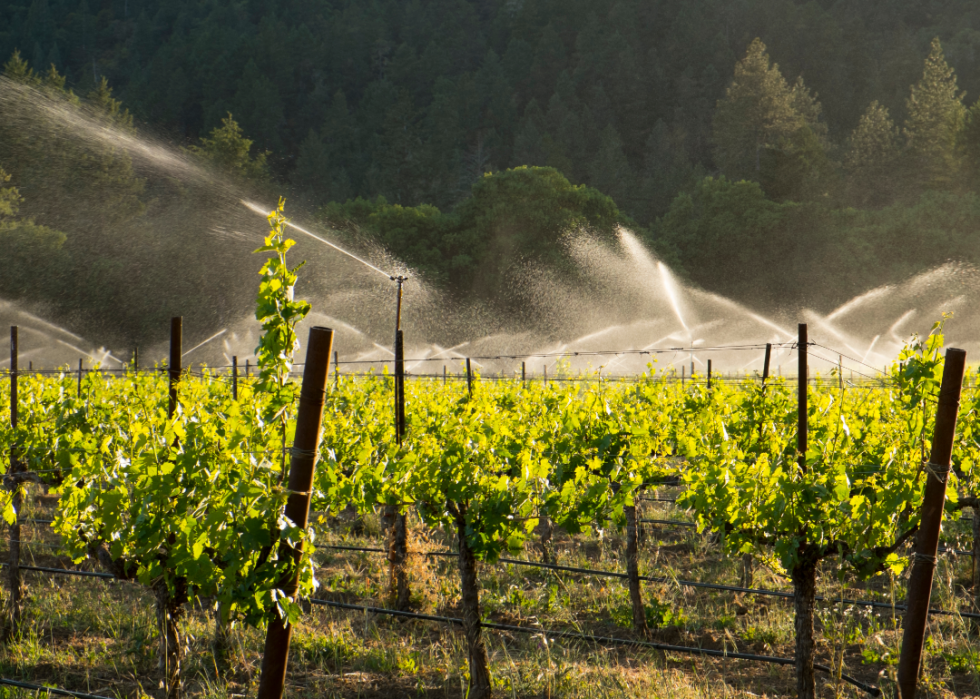
Thirsty grapes lead to thirsty wine—a gallon of wine takes about 872 gallons of water to make. That number includes the water needed to grow grapes as well as the water used to sanitize equipment in the wine production process.

12 / 30

A disposable diaper

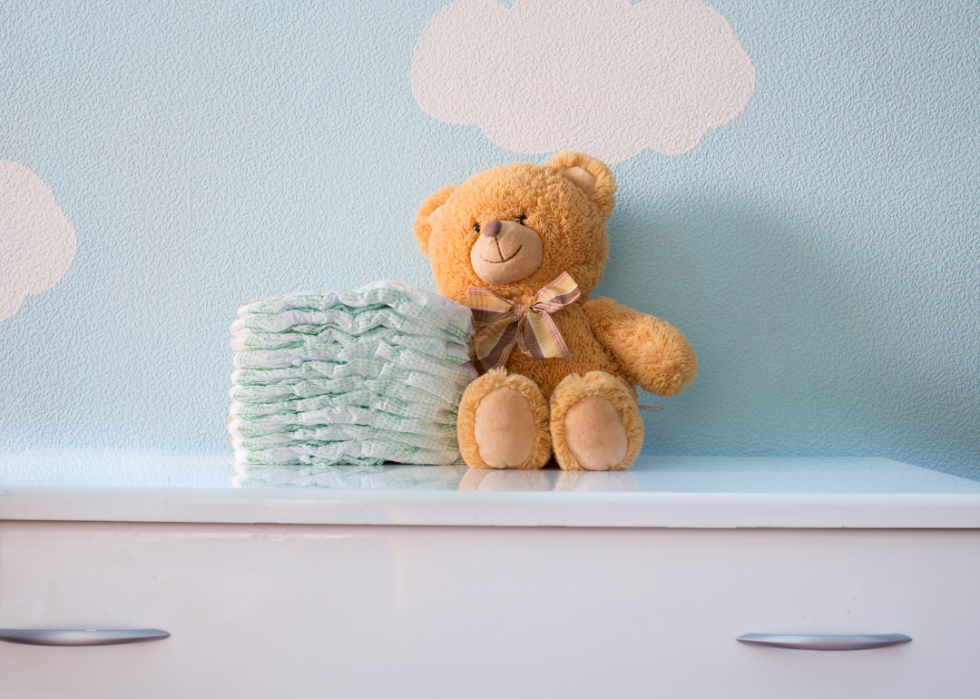
Children go through thousands of diapers—sometimes up to 12,000 before they're completely potty-trained. It takes about 9 gallons of water to produce each diaper. Reusable cloth diapers are a significantly more eco-friendly alternative.

13 / 30

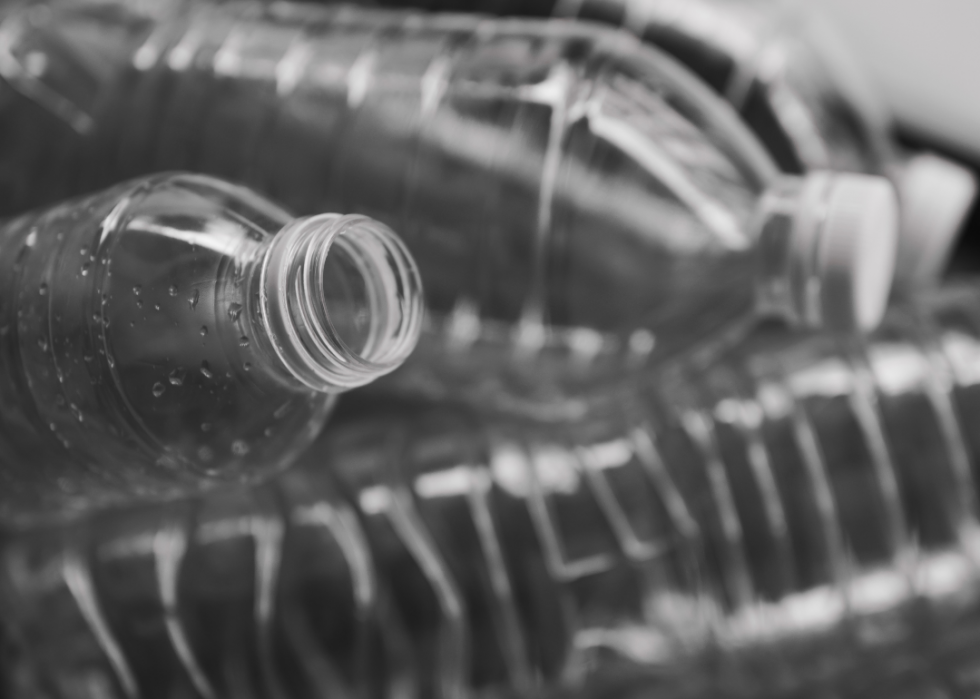
Plastic water bottle

A plastic water bottle has a relatively low water impact compared to the rest of the items on this list. However, it takes a bit more than three-quarters of a gallon to produce a quarter-gallon (or 1 liter) bottle. Most of the water consumption happens during oil drilling. Still, people can save extra water and plastic usage by switching to reusable water bottles.

14 / 30

Computer

It takes about 400 gallons of water to make one computer. Remember, every chip inside the computer needs to be rinsed more than 30 times. Tablets or other smaller electronic devices are more eco-friendly alternatives.

15 / 30

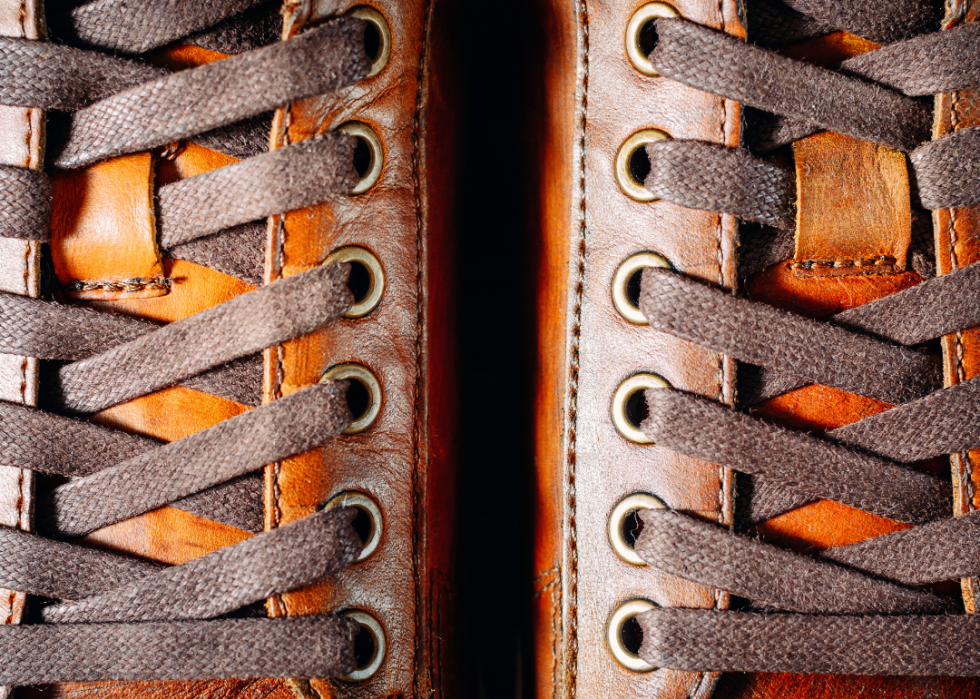
Leather shoes

16 / 30

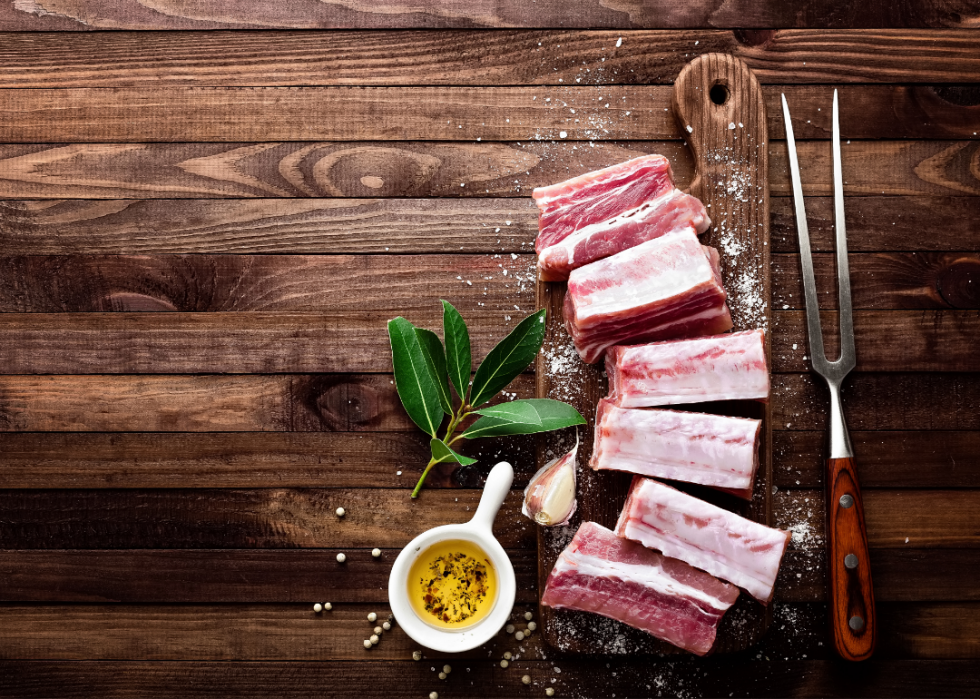
A pound of pork

17 / 30

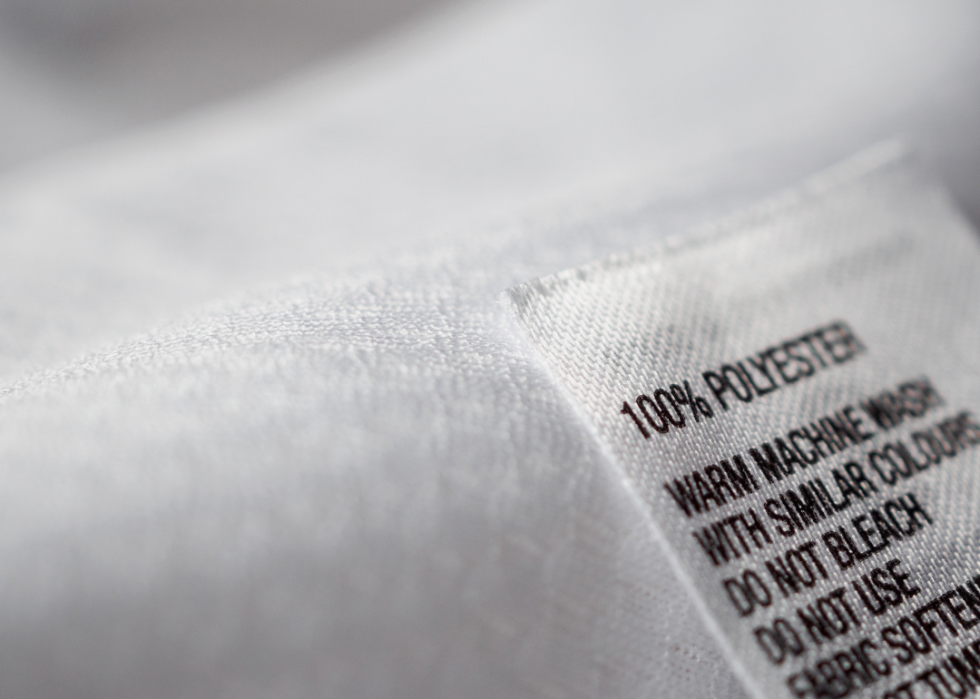
Polyester shirt

Throughout their entire life cycle—from production to washing to disposal—two cotton shirts use more than 7,000 gallons of water. Polyester, on the other hand, is a synthetic fiber that's significantly less thirsty.

18 / 30

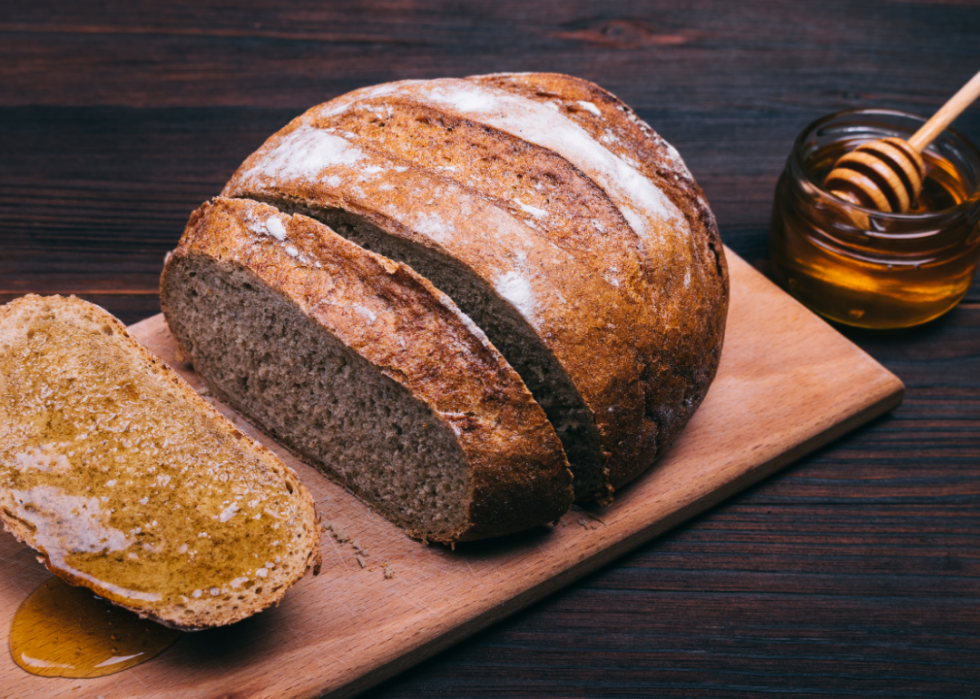
One slice of bread

About 172 gallons of water are needed to produce the grain for a loaf of bread. That means a single slice uses around 11 gallons. Eating lettuce wraps or sandwiches with thinner bread slices are more eco-friendly alternatives.

19 / 30

One sheet of paper

The amount of water required to create paper varies based on the size, material, and color of each piece. Still, it takes more than 3 gallons of water to make a standard notebook sheet. An A4 size sheet of paper can use up to 8 gallons of water to produce.

20 / 30

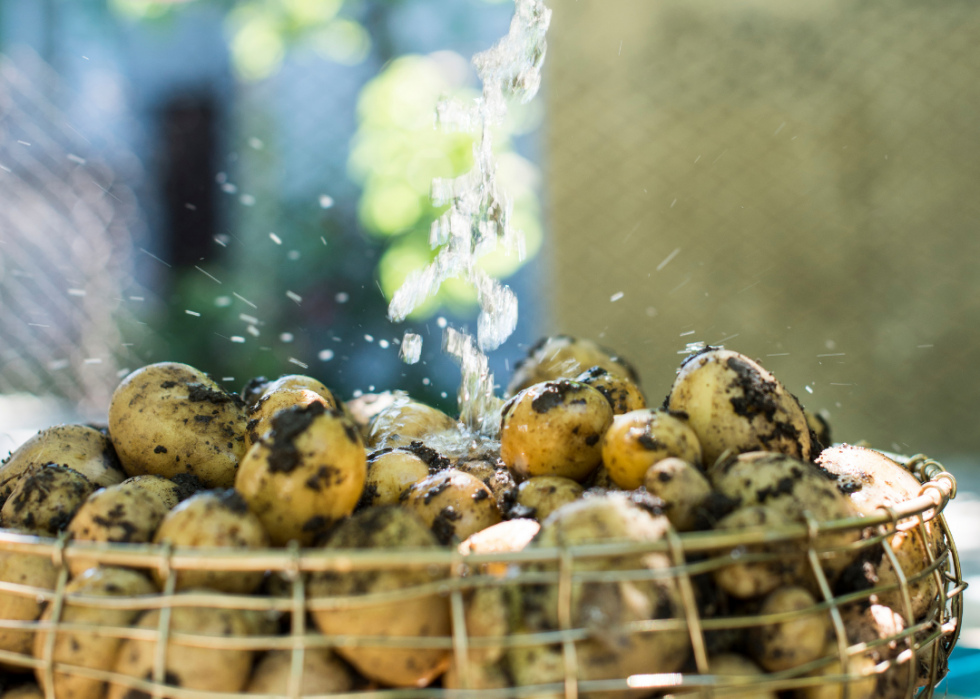
A pound of potatoes

21 / 30

A pound of chicken

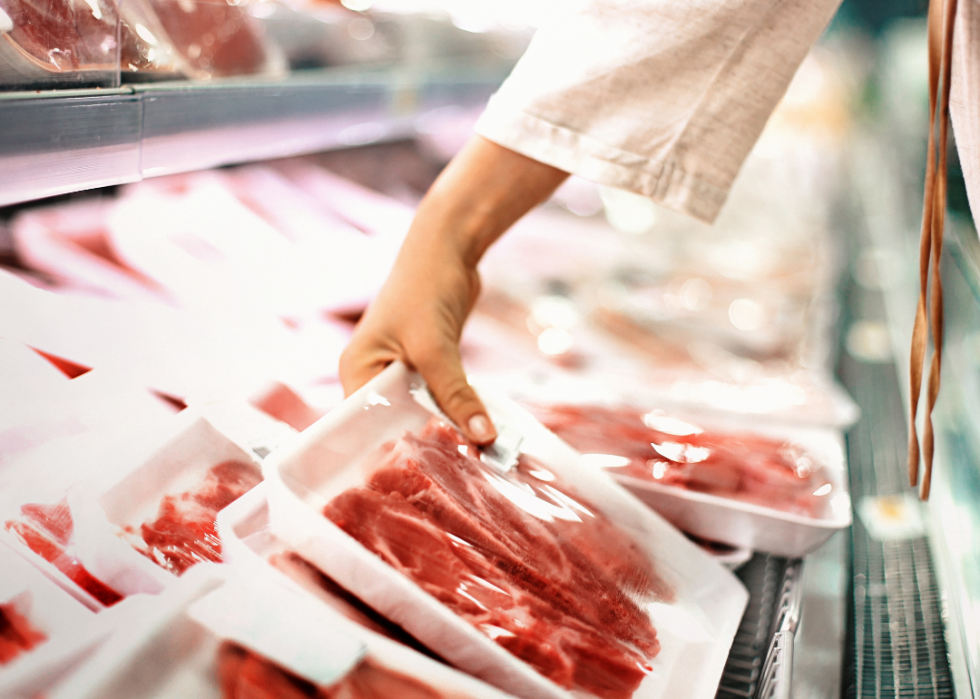
Chicken has one of the lowest rates of water usage among meats. Producing a pound of chicken requires 468 gallons of water. However, producing healthy chickens for human consumption still uses significantly more water than vegetable production. Ditching meat altogether is a far more sustainable option.

22 / 30

One lumber board

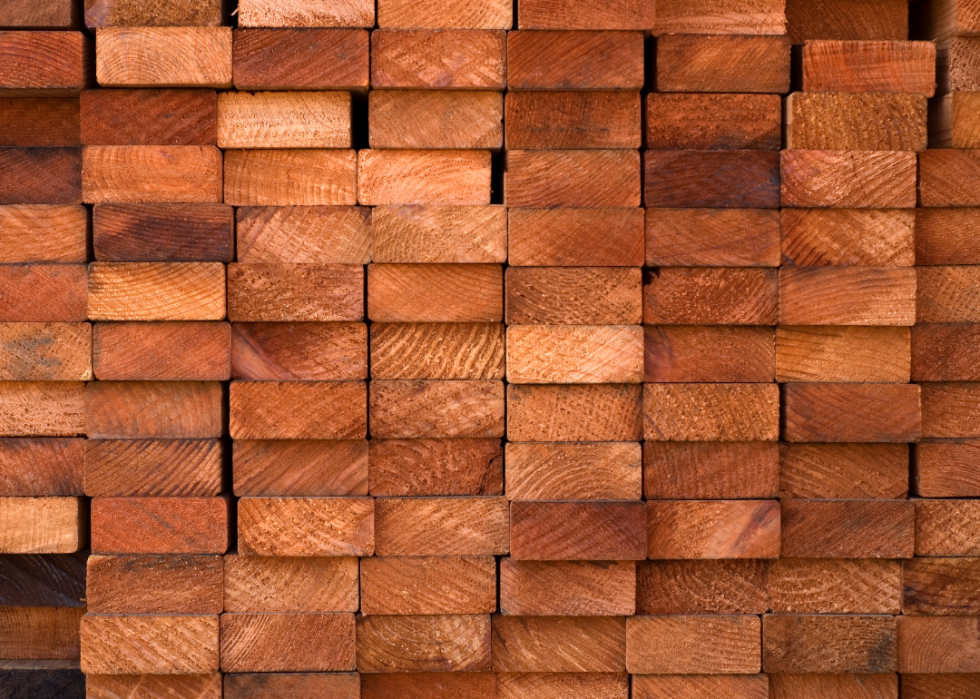
The trees milled for lumber need water to grow and thrive, and so lumber boards have a water usage hitting at about 5.4 gallons per board. However, more water is used in the logging, cutting, and processing stages of production.

24 / 30

An apple

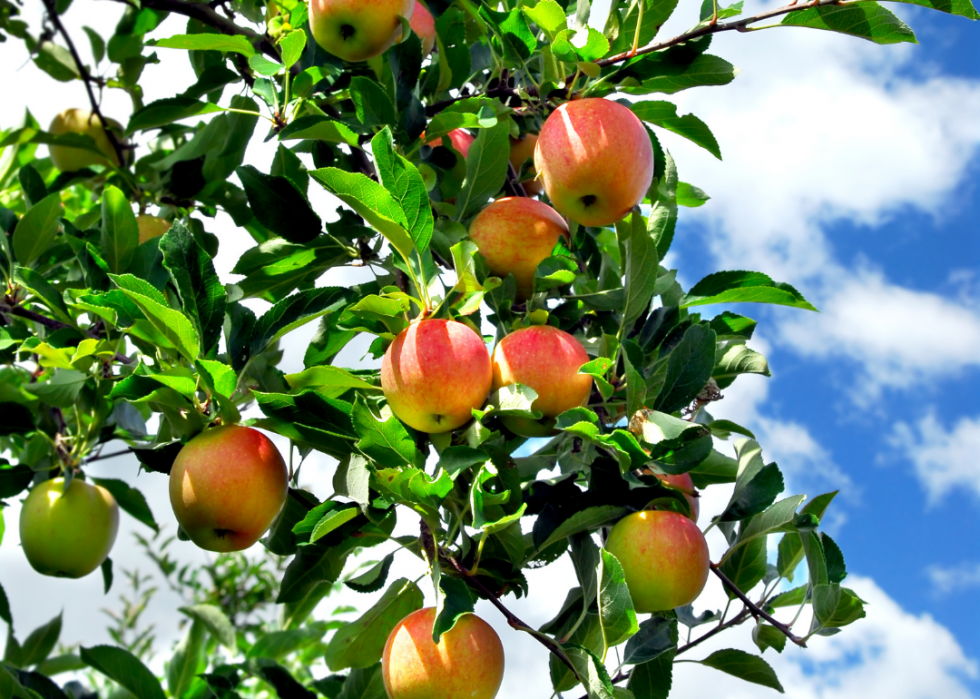
Growing a single apple takes 18 gallons of water. With that in mind, eating apples is more green than drinking apple juice, as a cup of apple juice requires a whopping 59.4 gallons of water to produce.

25 / 30

A gallon of paint

26 / 30

Hamburger

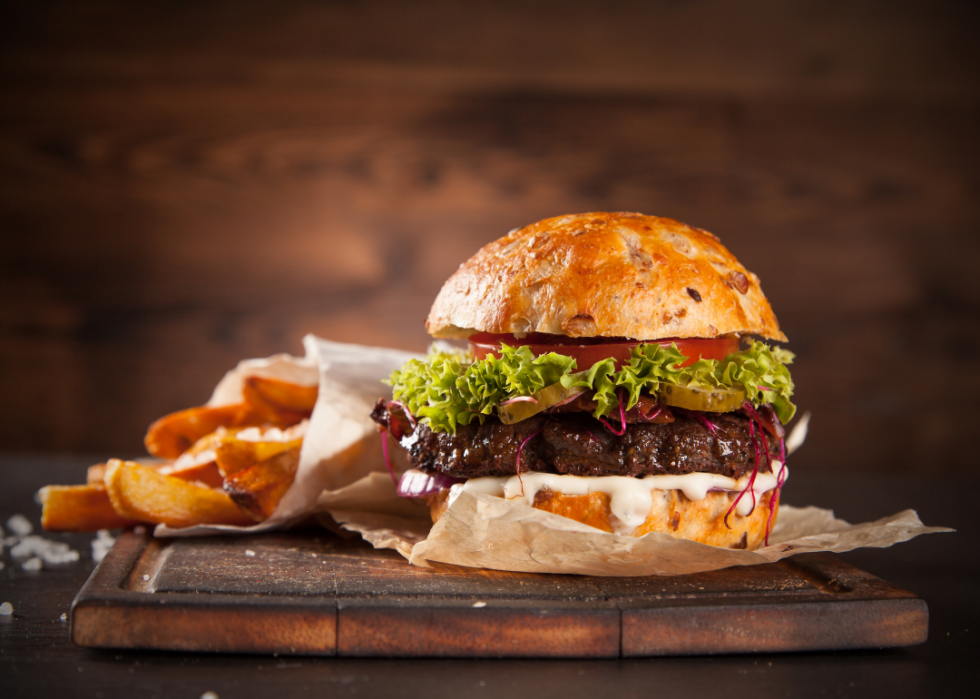
It'll take about 660 gallons of water to make a third-pound hamburger. Aside from the meat, which accounts for most of that number, water is used to produce the bun and the toppings.

27 / 30

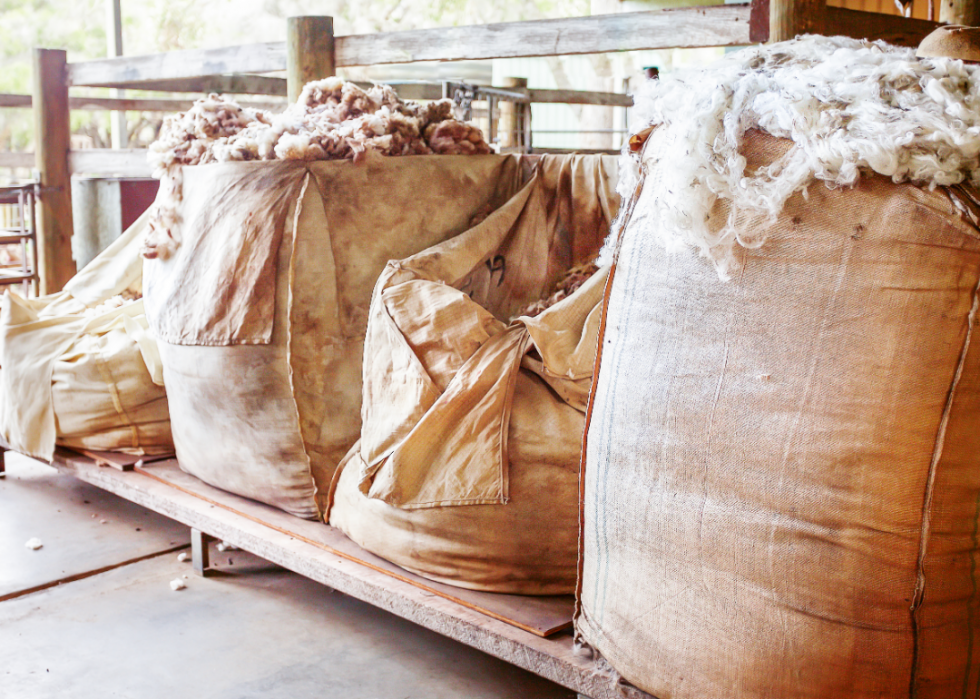
A pound of wool

28 / 30

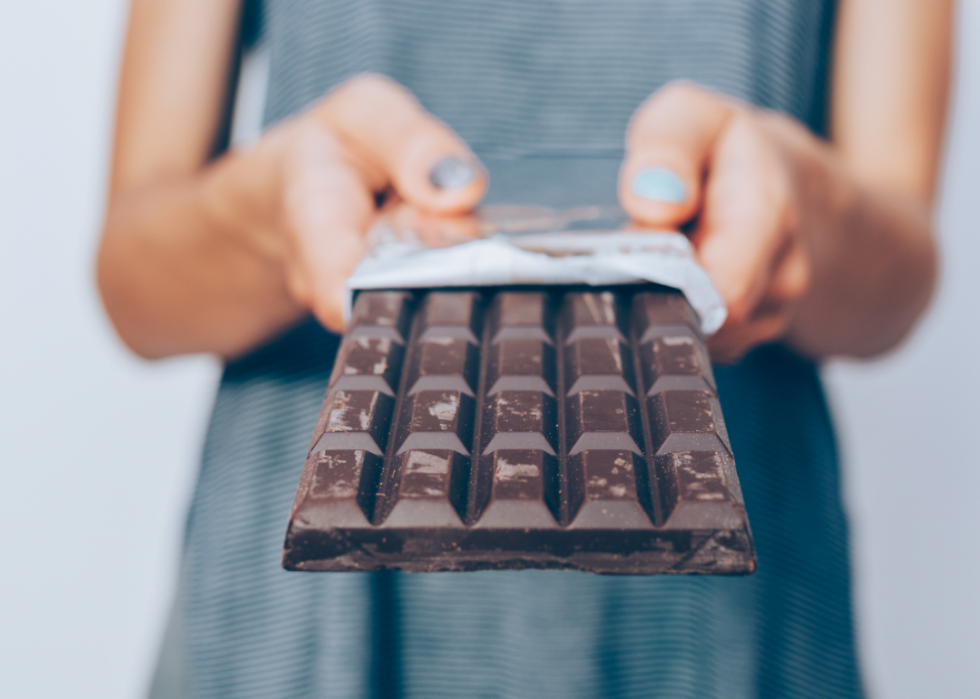
One chocolate bar

You need about 450 gallons of water to make a single chocolate bar. The vast majority of the water is used to grow the cocoa plants needed to create chocolate. Luckily for chocolate lovers, it's not that wasteful—most of the water used to grow cocoa is rainwater, thanks to the plant's ideal growing climate.

29 / 30

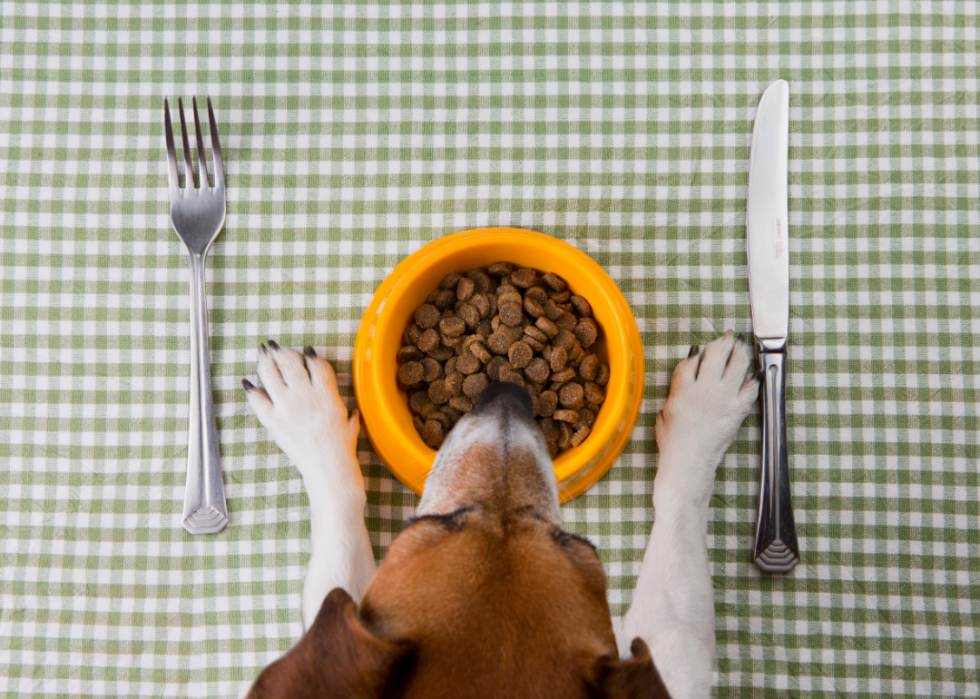
$1 worth of pet food

A single dollar's worth of pet food requires about 200 gallons of water to produce. More than half of that water is used to grow the grains and feed the livestock used to make the ingredients, and the rest is used to make the food itself.

30 / 30

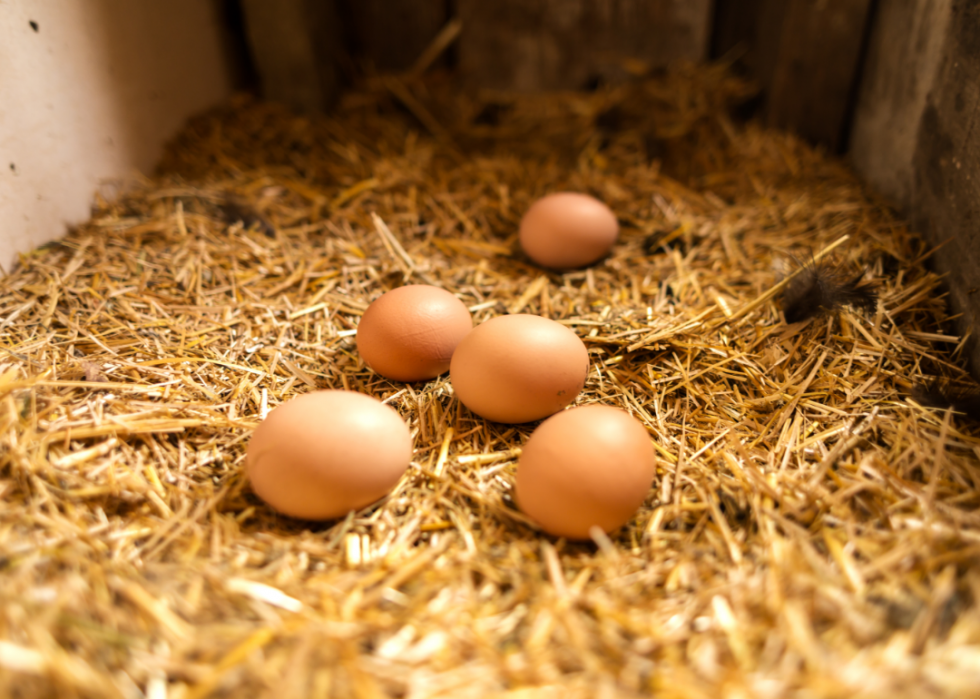
One egg

Trending Now